
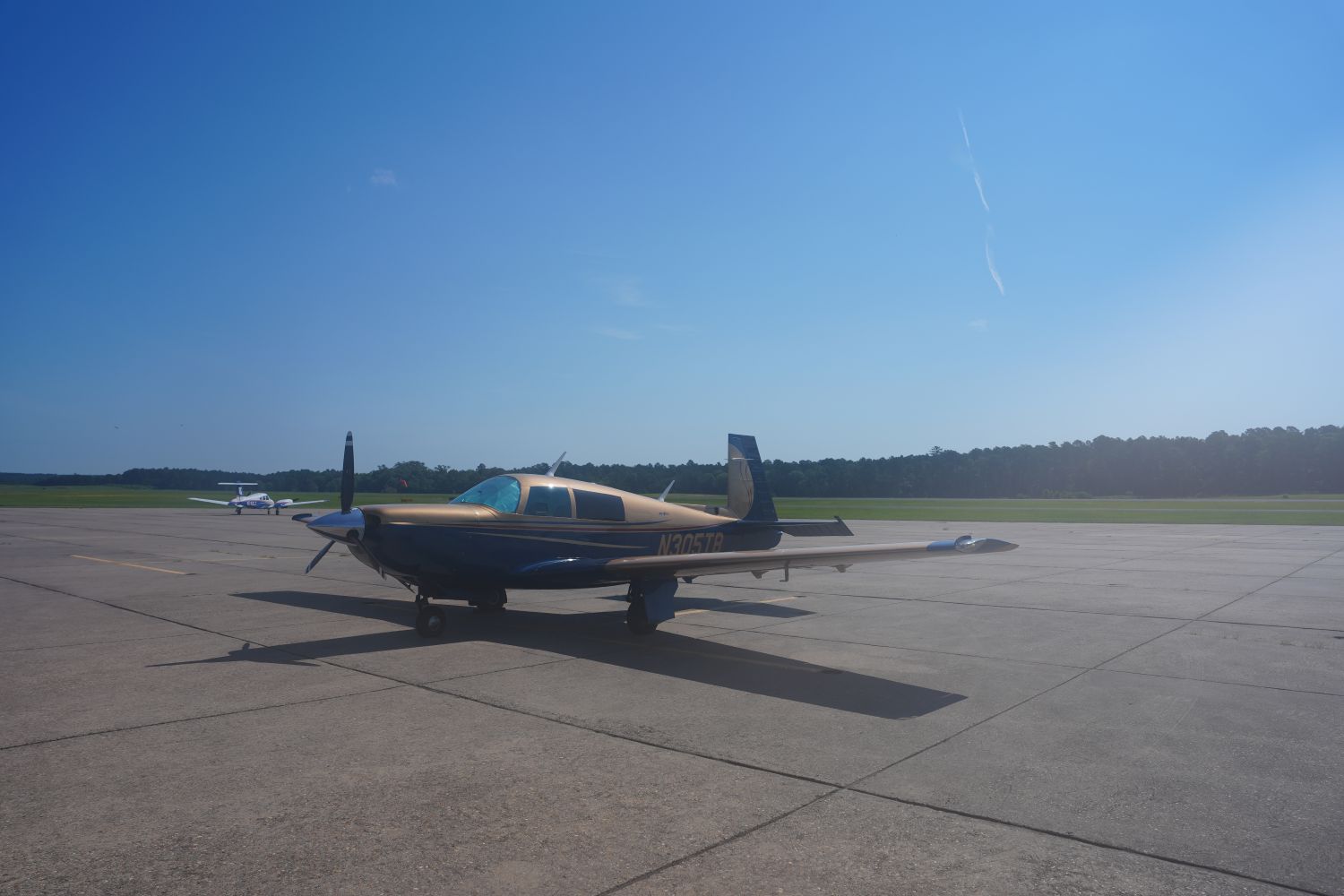
A normal takeoff is the baseline departure maneuver used on a suitable runway when no short-field or soft-field technique is required. It tests much more than rotation: runway verification, wind correction, power and instrument checks, directional control, lift-off at the recommended speed, climb-speed control, obstacle and traffic awareness, and readiness to reject the takeoff when conditions are not right.
Standards note: The current private-pilot standard is FAA-S-ACS-6C, Area of Operation IV, Task A. The airplane's current POH/AFM supplies the aircraft-specific speeds, configuration, limitations, and abnormal procedures. The ACS is an evaluation standard, not a replacement for the POH/AFM or instructor guidance.
Why pilots really learn this maneuver
Nearly every flight begins with a normal takeoff, but the training has several practical purposes:
- Confirm the correct runway and departure path. A runway mistake can become a runway incursion or wrong-runway departure before the airplane is airborne.
- Recognize whether the airplane is accelerating and operating normally. The pilot should verify expected engine and flight-instrument indications before rotation.
- Control the airplane as wind and left-turning tendencies change during acceleration. Directional control on the runway and drift correction after lift-off are continuous tasks.
- Use a planned reject decision. An abnormal indication, unexpected traffic, loss of directional control, or inadequate acceleration may require the takeoff to be rejected while sufficient runway remains.
- Establish a predictable departure climb. The airplane must transition from ground roll to lift-off and then to the manufacturer-recommended climb speed without fixating on one instrument.
A realistic scenario
The throttle is advanced, but an engine indication is not where the pilot expects it to be. The correct response is not to continue because the airplane is already moving or because the training app is recording. The takeoff briefing, POH/AFM, remaining runway, and pilot-in-command judgment control the decision. Normal takeoff training builds the habit of checking early enough to act while options remain.
Current FAA Private-Pilot Standards
Under FAA-S-ACS-6C, Area of Operation IV, Task A, the applicant must demonstrate the knowledge, risk management, and flight skills required for a normal takeoff, climb, and rejected-takeoff procedure.
Before beginning the takeoff, the pilot must verify the correct runway or takeoff path, determine the wind direction, and position the flight controls appropriately for the existing wind.
The airplane should be aligned with the runway centerline, and power should be applied smoothly. Before rotation, the pilot must confirm that the engine and flight instruments are showing the expected indications.
Rotation and lift-off should occur at the manufacturer-recommended airspeed. After lift-off, the pilot must establish the manufacturer-recommended climb speed or VY within +10/-5 knots and maintain VY within +10/-5 knots until reaching a safe maneuvering altitude.
Directional control and appropriate wind-drift correction must be maintained throughout the takeoff roll and initial climb.
The pilot must also manage risks associated with runway selection, available takeoff distance, wind and crosswind conditions, windshear, tailwinds, wake turbulence, runway-surface conditions, rejected takeoffs, engine failure, collision hazards, low-altitude loss of control, distraction, and runway incursions.
If no actual crosswind is present during the practical test, the applicant’s knowledge of crosswind takeoff procedures must be evaluated orally.
What a useful takeoff debrief should examine
Before the roll
- Was the correct runway or takeoff path positively identified?
- Was the wind understood and the initial control position appropriate?
- Was the takeoff configuration set according to the POH/AFM?
- Was the reject plan clear enough to support a fast decision?
During acceleration
- Did the airplane track the centerline?
- Was power applied smoothly?
- Were engine and flight-instrument indications checked before rotation?
- Did a heading or ground-track divergence begin before or after the airplane became light on the wheels?
Rotation and lift-off
- Was rotation initiated at the aircraft-specific recommended speed?
- Was the pitch change smooth rather than abrupt?
- Did the airplane lift off under positive control?
- Did the pilot continue wind correction rather than neutralizing the controls automatically at lift-off?
Initial climb
- Was the selected climb speed established and maintained?
- Did the airplane remain aligned with the intended departure path?
- Were pitch, bank, heading, vertical speed, and configuration changes coordinated?
- Was outside traffic scanning maintained while instruments were cross-checked?
How FlytWERX supports the review
For a supported live-flight recording, FlytWERX can help the pilot and instructor review the takeoff as a timeline rather than relying only on memory. Depending on the available data source, useful fields can include:
- heading, course, and ground track;
- altitude and vertical speed;
- pitch and bank trends;
- GPS speed and FlytWERX estimated indicated airspeed;
- flight path from runway roll through initial climb;
- maneuver targets, color-coded deviations, and attempt history.
During the debrief, the student and instructor can use the recorded timeline to identify the takeoff roll, rotation, lift-off, climb-speed capture, and arrival at the planned safe altitude. The goal is not to grade every second of the departure. It is to find the first meaningful divergence and connect it to one correction for the next attempt.
FlytWERX estimated indicated airspeed
FlytWERX does not simply relabel GPS groundspeed as indicated airspeed. For supported live-flight reviews, it combines GPS speed with current winds aloft and temperature to produce an estimated indicated airspeed, or eIAS. A pilot or instructor who has a more representative wind for the training area can update the wind correction.
In current instructor field observations, eIAS has generally been about 1 to 3 knots from the airplane's indicated value when the wind correction is current. This is an internal operational observation, not an independently certified accuracy guarantee. Local wind variation, stale inputs, maneuvering, sensor quality, and rapidly changing conditions can increase the difference. The airplane's approved airspeed indication remains the controlling source in flight.
What the data cannot establish by itself
Even a detailed track may not show:
- the pilot's visual scan or awareness of traffic;
- the exact rudder or aileron input;
- whether the pilot correctly interpreted an engine indication;
- runway contamination, braking effectiveness, or surface feel;
- the reason a takeoff was continued or rejected;
- compliance with every checklist item;
- whether an apparent speed difference came from wind input, sensor behavior, or the aircraft instrument.
The instructor should combine the recording with observation, pilot recollection, weather, runway information, and the POH/AFM.
A practical FlytWERX takeoff debrief
1. Name the purpose. Normal departure, crosswind practice, or a specific climb-control objective?
2. Confirm the setup. Runway, wind, configuration, target speeds, and reject considerations.
3. Find the first divergence. Centerline, heading, pitch, bank, speed, or climb path.
4. Separate evidence from cause. "The ground track moved left after lift-off" is an observation. "I removed aileron too quickly" is a hypothesis until reviewed.
5. Choose one correction. Use a specific cue and action assigned by the instructor.
6. Compare the next attempt. Did the divergence become smaller, occur later, or get corrected sooner?
Frequently asked questions
What speed does the private-pilot ACS require after lift-off?
The applicant must establish the manufacturer's recommended speed or VY and maintain it within +10/-5 knots. The actual numerical speed comes from the airplane's POH/AFM, not from a generic article.
Is a crosswind takeoff a separate private-pilot ACS task?
No. Crosswind knowledge and control are integrated into the normal takeoff task. The examiner must evaluate crosswind knowledge orally if no crosswind exists.
Can FlytWERX replace the airspeed indicator during takeoff?
No. FlytWERX is a training and debrief platform. Its eIAS is an estimate for supported review workflows and does not replace the airplane's approved flight instruments.
Can a GPS track show whether the pilot used enough rudder?
It can show the airplane's motion, heading, and path when those fields are available. It does not necessarily record the pilot's control inputs or prove coordination.
Does meeting the speed tolerance mean the takeoff was good?
Not by itself. The ACS also evaluates runway verification, wind correction, engine and instrument checks, directional control, configuration, risk management, and rejected-takeoff planning.
Editorial and safety boundary
This article is educational and must be reviewed by a named CFI before publication. It does not replace the current POH/AFM, approved school procedures, ATC instructions, weather and runway information, or pilot-in-command judgment. FlytWERX product language and the eIAS methodology statement must receive final product-owner verification.
- FAA, Airman Certification Standards page: https://www.faa.gov/training_testing/testing/acs
- FAA, Private Pilot for Airplane Category ACS, FAA-S-ACS-6C, Area IV, Task A: https://www.faa.gov/training_testing/testing/acs/private_airplane_acs_6.pdf
- FAA, Airplane Flying Handbook, Chapter 6, Takeoffs and Departure Climbs: https://www.faa.gov/sites/faa.gov/files/regulations_policies/handbooks_manuals/aviation/airplane_handbook/07_afh_ch6.pdf
- FAA, Airplane Flying Handbook landing page: https://www.faa.gov/regulations_policies/handbooks_manuals/aviation/airplane_handbook
- FlytWERX product page: https://www.flytwerx.com/
- FlytWERX App Store listing: https://apps.apple.com/us/app/flytwerx/id6758866523
- FlytWERX eIAS methodology and 1-to-3-knot instructor field observation: product-owner statement supplied July 2026; publish a public methodology page before external release.